Some tiles really need to be seen and touched to be appreciated.
Our Moroccan Handmade tile collection at Tile Fusion is a perfect example. With almost 100 different colours and styles available across traditional Zellige square tiles and Bejmat rectangular tiles, it's one of the most distinctive collections in our showroom.
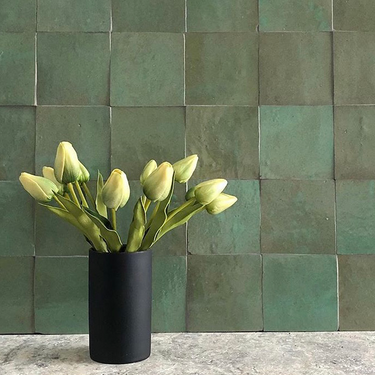
These tiles aren't designed to look perfectly uniform. Their appeal comes from subtle differences in colour, glaze, texture and edges. Put several pieces together and those individual variations create a surface with depth and character.
We've listed more than 50 colours on the Tile Fusion website so you can start exploring the range online. But with handmade Moroccan tiles, seeing them on a screen only tells you part of the story.
The best way to understand them is to see and feel them in person.
What Makes Moroccan Handmade Tiles Special?
The first thing you'll notice about handmade Moroccan tiles is the surface.
Unlike highly uniform, machine-made tiles, individual pieces can vary slightly in tone, texture, glaze and edge detail. Light also behaves differently across each tile, particularly with glazed finishes.
Once installed, these differences become part of the overall design.
Instead of one flat block of colour, you get subtle movement across the wall. Some pieces catch more light, while others appear deeper or softer in tone.
It's this handmade character that makes Moroccan tiles so recognisable.
If you're looking for every tile to be exactly identical, this probably isn't the collection for you. If you appreciate materials that show their individual character, they're well worth seeing.
What Are Zellige Tiles?
Zellige tiles are closely associated with traditional Moroccan architecture and tile-making.
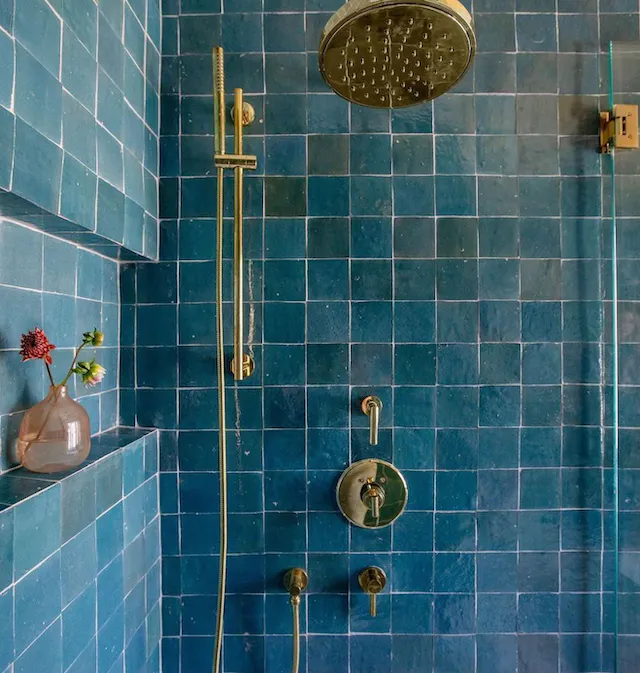
The classic Zellige format is square, allowing the handmade surface and glaze to become the main feature rather than relying on a complicated shape or pattern.
At Tile Fusion, our Moroccan Handmade collection includes Zellige tiles across a wide colour palette.
You'll find whites and soft neutrals alongside earthy shades, greens, blues and stronger statement colours. Because of the natural variation between pieces, even a simple white Zellige can have plenty of movement once installed.
That's one reason designers continue to use them. The format is simple, but the finished surface is anything but flat.
What Are Bejmat Tiles?
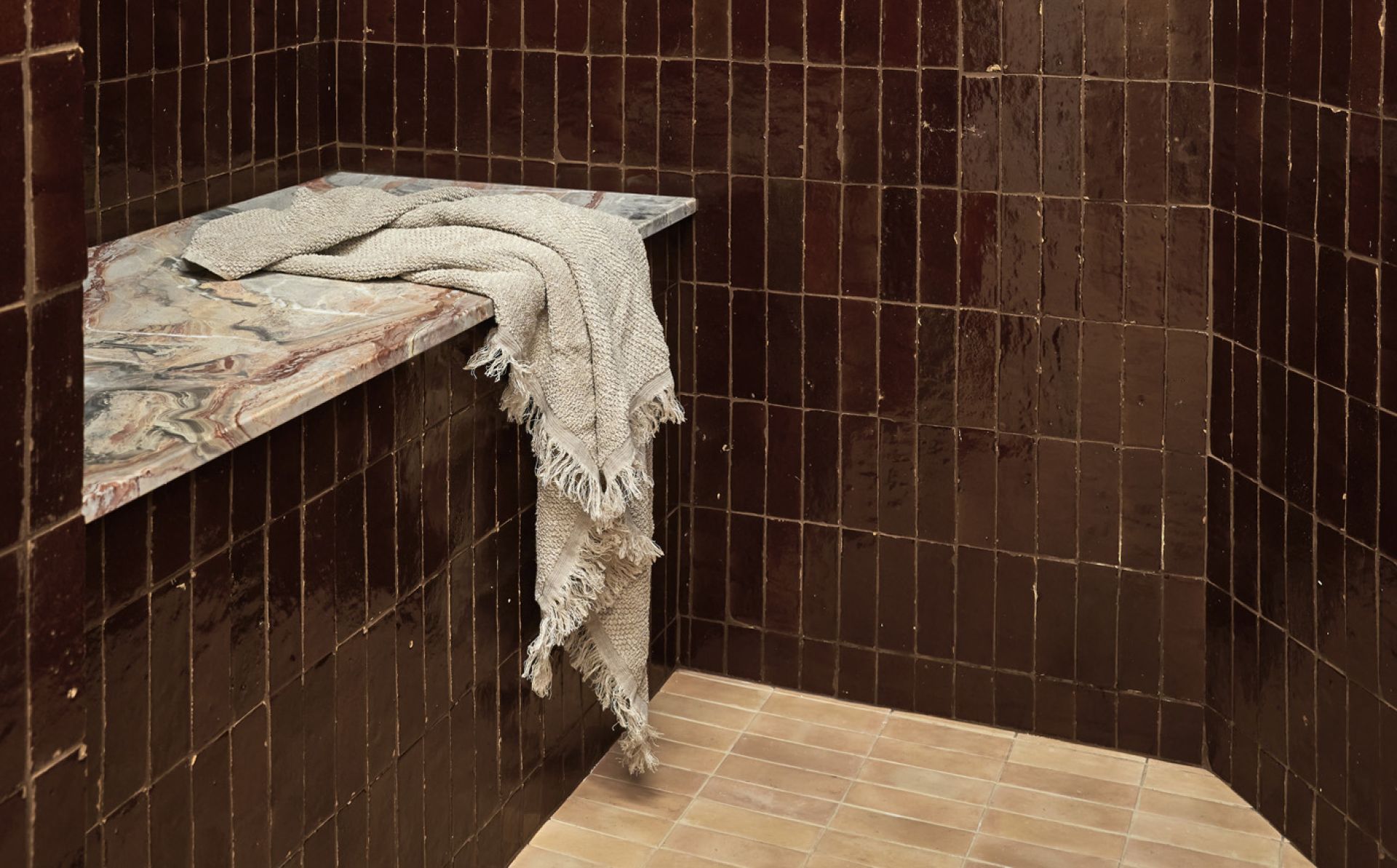
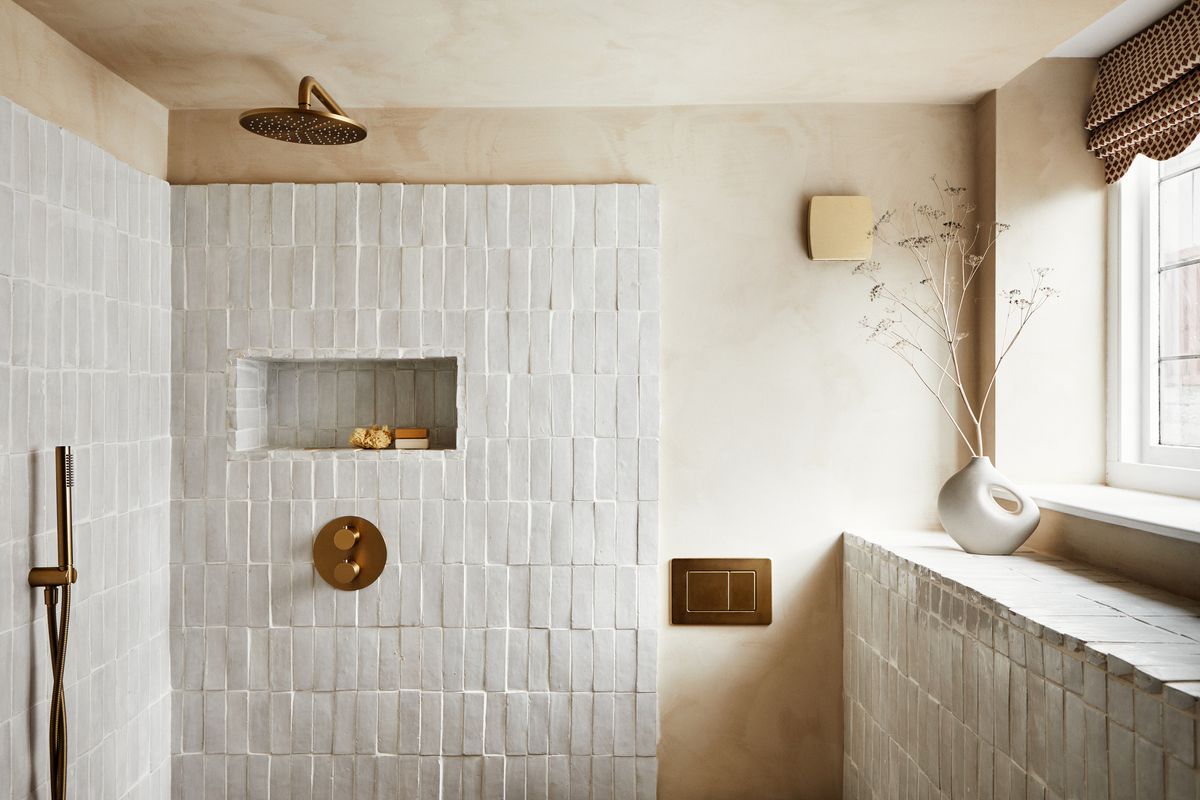
Bejmat tiles offer the same handmade Moroccan character in a traditional rectangular format.
You can think of them as a more tactile alternative to the conventional subway tile.
The rectangular proportions also give you more options with layout. Depending on the project, Bejmat tiles can be laid horizontally, vertically, stacked or in more decorative arrangements.
What makes them stand out is the combination of a familiar shape with an irregular handmade surface.
When several Bejmat tiles are installed together, small changes in glaze and colour create the interest rather than relying on a printed pattern.
Almost 100 Colours and Styles
One of the strengths of the Moroccan Handmade collection at Tile Fusion is its size.
With almost 100 colours and styles available, there's considerably more to explore than a handful of traditional Moroccan colours.
We've listed more than 50 colours on our website so customers can get a feel for the collection before visiting the showroom.
It's a useful starting point, but we'd still recommend seeing your favourites in person.
A single photograph can't fully capture how the glaze reflects light or how several tiles vary when placed together. With handmade tiles, it's particularly important to understand that you're choosing the overall effect rather than one perfectly uniform sample.
Why Do Designers Love Moroccan Tiles?
Interior designers and architects often look for materials that introduce character without making a room unnecessarily complicated.
Handmade Moroccan tiles do that very well.
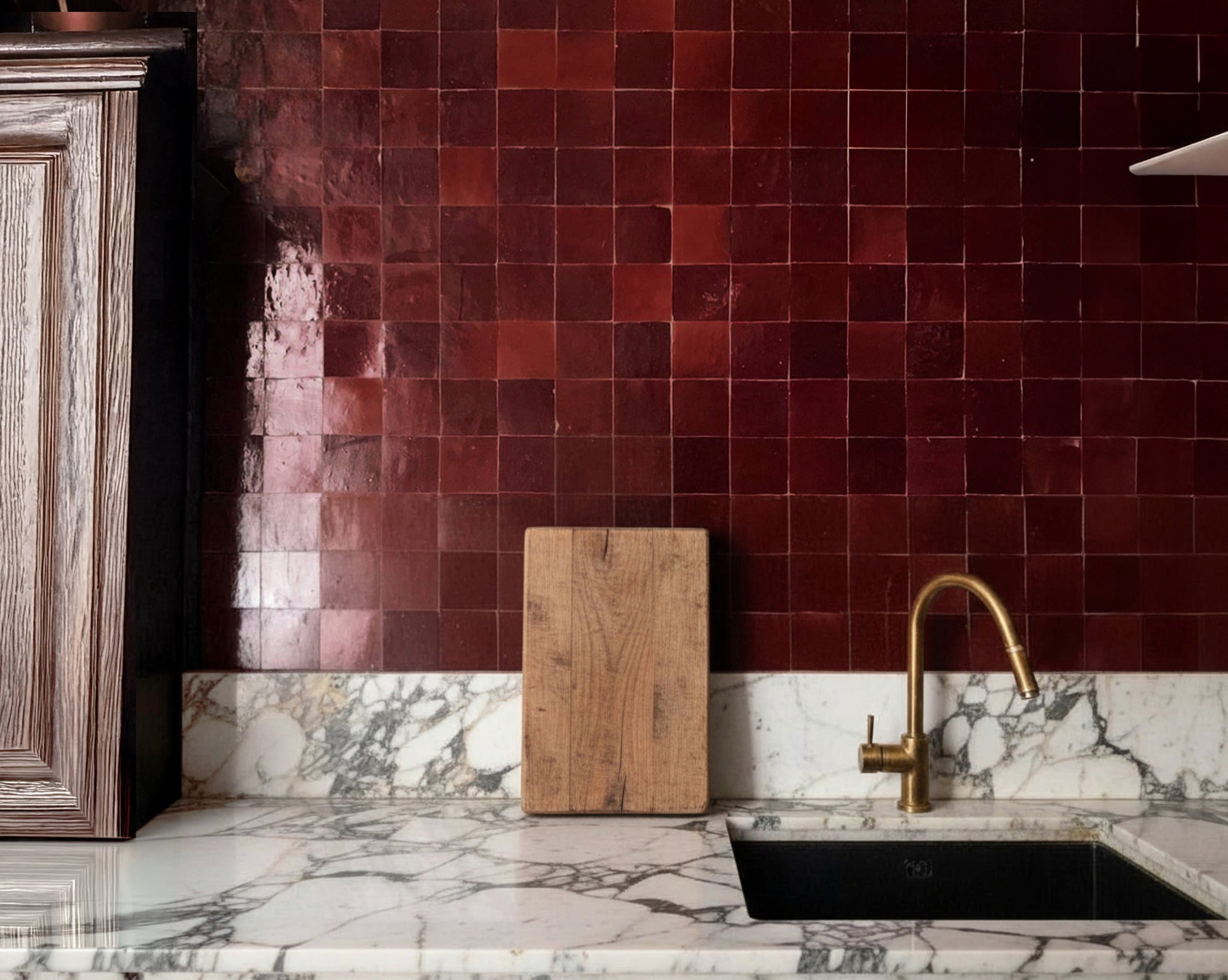
A simple Zellige square in a neutral colour can become a feature because of its texture and glaze. Choose a deeper green, blue or earthy shade and the effect becomes stronger again.
They also work well alongside more precise materials.
Pairing handmade tiles with clean cabinetry, natural stone, timber or simple tapware creates an interesting contrast between smooth, controlled surfaces and something with more visible variation.
It's a distinctive and prestigious look, but it doesn't need to feel overly formal or decorative.
Where Can You Use Moroccan Tiles?
Zellige and Bejmat tiles can work particularly well in areas where you want to introduce colour, texture or a handcrafted feature.
Kitchen splashbacks are a popular option. The glaze catches natural and artificial light, adding depth behind cabinetry and benchtops.
Bathroom walls are another natural fit. Depending on the particular product and application, Moroccan tiles can create an effective vanity wall, shower feature or broader wall treatment.
Powder rooms give you an opportunity to use stronger colours because you're working with a smaller space.
Feature walls and fireplace surrounds can also give the handmade surface room to stand out.
As with any tile, always check that the specific product is suitable for where you intend to use it.

How Do You Choose the Right Colour?
With almost 100 colours and styles, narrowing down your options can take some time.
We recommend starting with the materials you've already selected.
For kitchens, compare your preferred Zellige or Bejmat tiles with the cabinetry, benchtop, flooring and hardware. In bathrooms, look at them alongside your floor tile, vanity, tapware and paint colours.
Lighting matters too.
Glazed handmade tiles can change noticeably depending on how the light falls across them. That's part of their appeal, but it's also another reason physical samples are so useful.
Rather than choosing one tile in isolation, look at several pieces together.

Handmade Variation Is Part of the Design
One of the most important things to understand before choosing handmade Moroccan tiles is that variation isn't a fault.
It's part of what you're buying.
Individual tiles can show differences in glaze, colour, texture and edges. When those pieces are brought together, the variation creates the character of the finished surface.
It's also worth discussing the tiles with your installer before work begins. Looking through several pieces and distributing the natural variation across the installation can help create a balanced finished result.
This isn't a product that's trying to look perfectly machine-made—and that's exactly why people love it.
See Moroccan Handmade Tiles at Tile Fusion
We've put more than 50 Moroccan tile colours online to help you explore the collection, but with almost 100 colours and styles available, there's much more to see.
The best way to choose is to visit the Tile Fusion showroom in Moorabbin.
Pick up the Zellige and Bejmat tiles, feel their texture, compare several colours and see how the glaze changes under different light.
Our friendly team can help you explore the different formats and colours and discuss how they could work with the other materials in your project.
With handmade Moroccan tiles, the website is a great place to start.
The showroom is where you'll really understand what makes them special.